

Planning your first visit to the Taj Mahal can feel overwhelming. Between figuring out entry gates, ticket categories, the best time to arrive, and what you can actually bring inside, there’s a lot to sort out before you set foot in Agra.
This Taj Mahal travel guide is built around the practical questions first-time visitors ask most often. You’ll find everything you need to confidently plan your trip — from choosing the right season and understanding security procedures to budgeting your time on-site and exploring the rest of Agra.
Let’s get into it.
Taj Mahal at a Glance
| Detail | Information |
|---|---|
| Full Name | Taj Mahal |
| Location | South bank of the Yamuna River, Agra, Uttar Pradesh, India |
| City | Agra (approx. 230 km / 143 miles southeast of Delhi) |
| UNESCO Status | World Heritage Site (inscribed 1983) |
| Recommended Visit Duration | 2–3 hours for a comfortable visit |
| Best Time of Day | Sunrise or early morning |
| Best Season | October to March (cooler months) |
| Weekly Closure | Closed every Friday (open to worshippers for mosque prayers only) |
| Nearest Railway Station | Agra Cantt (approx. 6 km away) |
| Nearest Airport | Agra Airport (Kheria) — limited commercial service; most international travelers fly into Delhi (IGI Airport) |
Tip: Always confirm current opening days, hours, and ticket policies through the Archaeological Survey of India (ASI) or official Agra tourism sources before finalizing your plans.
Planning Your First Visit to the Taj Mahal?
Make your Taj Mahal experience smooth and memorable with a well-planned tour. Enjoy comfortable transport, expert local guidance, and the flexibility to explore the Taj Mahal and other iconic attractions in Agra.
Why the Taj Mahal Should Be on Your India Itinerary
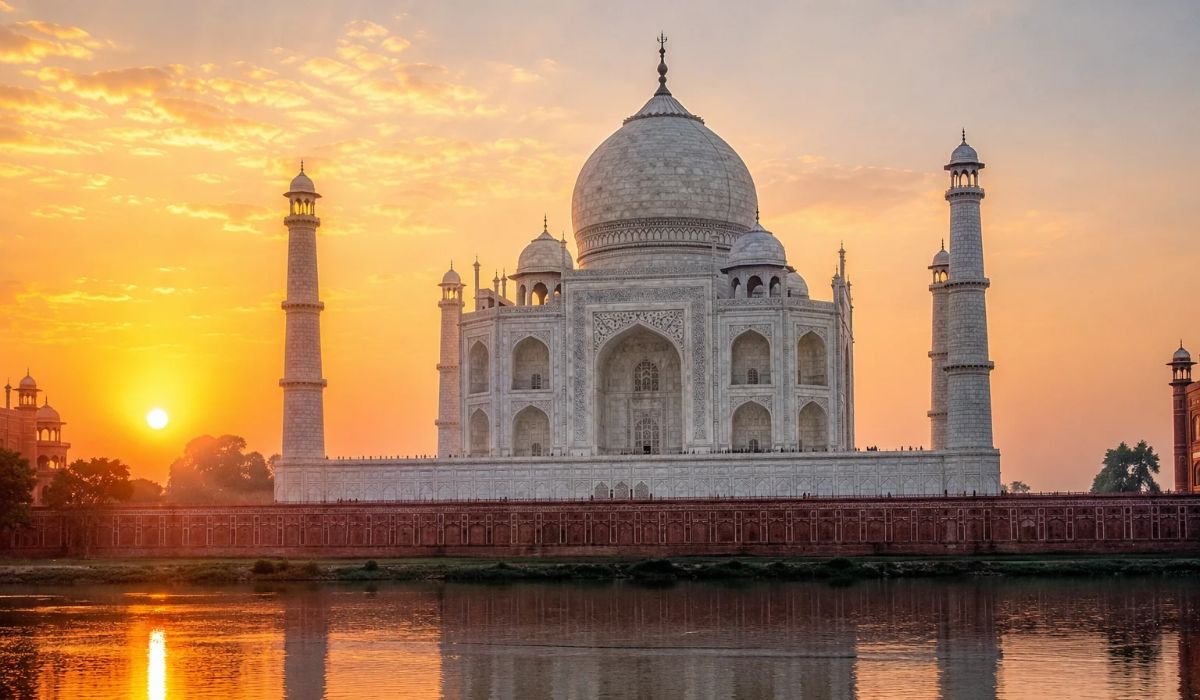
The Taj Mahal isn’t just India’s most recognized landmark — it’s widely regarded as one of the finest examples of Mughal architecture in the world. The symmetry of its white marble façade, the precision of its inlaid semi-precious stonework (pietra dura), and the way light transforms its appearance throughout the day make it genuinely unlike anything else you’ll encounter on a trip through South Asia.
Beyond architecture, the Taj Mahal anchors one of India’s most rewarding travel corridors. Agra sits on the popular Golden Triangle route (Delhi–Agra–Jaipur), making it easy to combine with broader India travel plans — many travelers explore all three cities through Golden Triangle tour packages. Whether you’re spending a single day or building a longer itinerary, the Taj Mahal delivers an experience that justifies the planning effort.
Best Time to Visit the Taj Mahal
Best Months
October through March is the most comfortable window. Temperatures are moderate, skies tend to be clear, and the light is especially good for photography during early morning hours.
Season-by-Season Breakdown
| Season | Months | Conditions | Visitor Experience |
|---|---|---|---|
| Winter | Nov–Feb | Cool to cold (5–20°C / 41–68°F), occasional fog in Dec–Jan | Most pleasant for walking; foggy mornings can obscure views |
| Summer | Apr–Jun | Hot to extreme (35–45°C / 95–113°F) | Fewer crowds, but heat can be exhausting; carry water |
| Monsoon | Jul–Sep | Warm, humid, intermittent rain | Lush gardens; rain may disrupt plans; marble can be slippery |
Best Time of Day
Sunrise remains the most popular recommendation, and for good reason — the marble picks up warm golden and pink tones, crowds are at their lightest, and temperatures are manageable even in warmer months. If you’re traveling from Delhi specifically for the sunrise experience, a sunrise Taj Mahal tour from Delhi handles the early logistics so you can focus on the moment. If sunrise feels too early, mid-morning (before 10 a.m.) still offers good light without peak crowds.
Late afternoon visits work well for photography from the western side, though the monument can be busier by then.
Weekday vs. Weekend
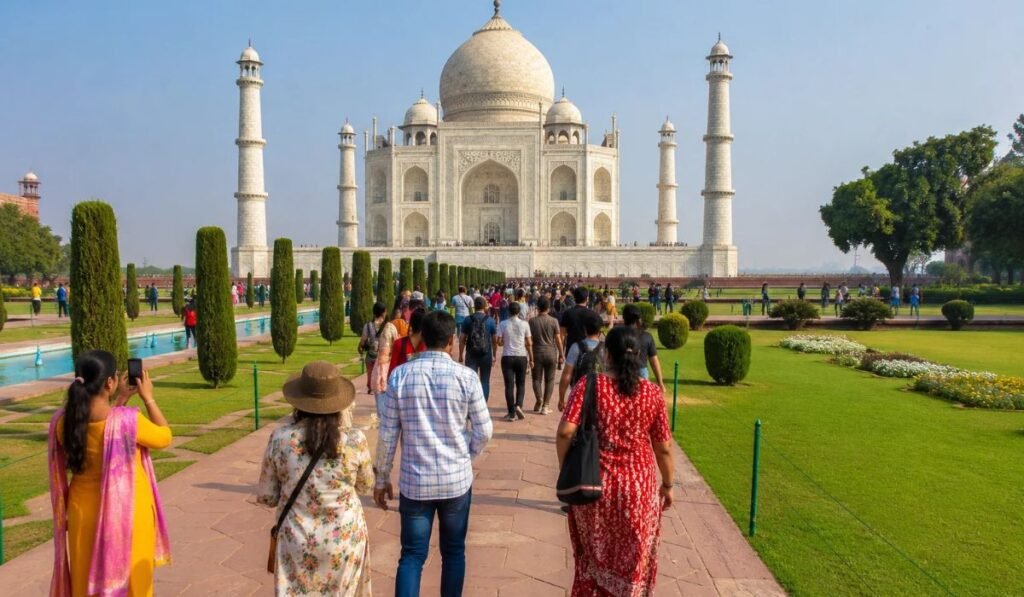
Weekdays — particularly Tuesday through Thursday — are generally less crowded than weekends and public holidays. If your schedule allows flexibility, a weekday sunrise visit is the sweet spot for a calmer experience.
Taj Mahal Timings and Weekly Closure
The Taj Mahal is closed every Friday except to those attending prayers at the on-site mosque. This catches many first-time visitors off guard, so double-check your travel dates.
Opening hours typically run from sunrise to sunset, but exact timings shift seasonally. Night viewing sessions (on full moon nights and the two adjacent evenings) have been offered in the past with separate ticketing and limited capacity.
Important: Opening hours, night viewing schedules, and any temporary closures can change. Check the ASI website or contact your hotel/tour operator for the latest information before your visit day.
Taj Mahal Entry Tickets: What First-Time Visitors Need to Know
Ticket Categories
The Taj Mahal uses a tiered pricing system:
- Indian citizens pay a lower entry fee.
- Foreign nationals pay a higher fee that typically includes access to the main mausoleum interior.
- SAARC/BIMSTEC country nationals may have a separate pricing tier.
- Children below a certain age are often admitted free (age thresholds can change).
Online vs. Offline Booking
Online booking through the ASI’s official portal can save time, particularly during peak season (November–February) when queues at physical ticket counters can be long. If you purchase online, you’ll typically receive a QR code or e-ticket.
Offline tickets are available at counters near the entry gates, but arrival during busy periods can mean 30–60 minutes in line before you even reach security.
Planning Ahead
- Confirm current ticket prices on the ASI website — they are periodically revised.
- Verify whether the mausoleum interior visit requires a separate add-on fee.
- Check if any visitor caps or timed entry slots are in effect (these have been introduced and adjusted over the years).
Which Taj Mahal Entry Gate Should You Use?
The Taj Mahal has three entry points. Each serves a slightly different purpose.
| Gate | Location | Best For | Notes |
|---|---|---|---|
| West Gate | Nearest to most Taj-facing hotels and the Taj Mahal complex parking area | Most visitors; well-connected by auto-rickshaw and taxi | Tends to be the busiest gate |
| East Gate | Accessible via Shilpgram complex | Visitors coming from eastern Agra; often slightly shorter queues | Requires a short walk or shuttle from the parking area |
| South Gate | Furthest from the monument | Less commonly used by tourists | May have the shortest queues but involves a longer walk to the main platform |
For first-time visitors: The East Gate often provides a reasonable balance between accessibility and shorter wait times. If you’re arriving by pre-arranged transport, discuss gate selection with your driver — they’ll know current traffic and queue conditions.
How to Reach the Taj Mahal
From Delhi
Delhi to Agra is one of India’s most-traveled tourist corridors, and you have several solid options:
- Train: The fastest and most reliable option. Trains like the Gatimaan Express and Shatabdi Express cover the distance in roughly 1.5–2 hours. Book through IRCTC well in advance, especially for popular morning departures.
- Private car/taxi: Door-to-door convenience. The drive takes approximately 3–4 hours via the Yamuna Expressway, depending on traffic. Useful if you want to stop at other sites along the way.
- Guided day tour: A popular option for travelers short on time. These typically include Delhi pickup, Taj Mahal and Agra Fort visits, and drop-off — all in a single day.
From Agra
- Taxi/auto-rickshaw: The most practical choice. Negotiate a fare in advance or use a ride-hailing app if available.
- E-rickshaw/cycle rickshaw: Budget-friendly for shorter distances and useful for reaching the gates from nearby hotels.
- Walking: Feasible if you’re staying in the Taj Ganj area (the neighborhood immediately south of the complex).
Note: Private vehicles cannot drive up to the Taj Mahal gates. You’ll need to park at a designated lot and walk, take a shuttle, or use a battery-operated vehicle for the final stretch.
What to Expect During Security Checks
Security at the Taj Mahal is thorough. Expect airport-style screening with metal detectors, bag checks, and pat-downs. Separate queues operate for men and women.
During peak hours (particularly around sunrise at the West Gate), security lines can take 20–40 minutes. Arriving early and traveling light genuinely speeds things up.
Practical tips:
- Carry only essentials in a small bag.
- Keep your ticket/e-ticket easily accessible.
- Leave restricted items at your hotel to avoid confiscation or delays.
What Can You Bring Inside the Taj Mahal?
Rules around prohibited items are enforced and can be updated, so confirm the latest list before your visit. Here’s a general guide based on commonly reported policies:
| Generally Allowed | Typically Restricted or Prohibited |
|---|---|
| Small camera or smartphone | Tripods and selfie sticks |
| One small water bottle | Food and beverages (other than water) |
| Wallet and essential documents | Large bags and backpacks |
| Sunscreen and sunglasses | Tobacco products and lighters |
| Small umbrella | Drones |
| Guidebook or small notebook | Power banks and chargers (policies vary) |
Important: This table reflects commonly reported rules and may not be current. The ASI periodically updates its prohibited items list. Verify before your visit to avoid having items confiscated at the gate.
Planning Your First Visit to the Taj Mahal?
Make your Taj Mahal experience smooth and memorable with a well-planned tour. Enjoy comfortable transport, expert local guidance, and the flexibility to explore the Taj Mahal and other iconic attractions in Agra.
What Should You Wear When Visiting the Taj Mahal?
There’s no strict dress code, but practical choices make a big difference:
- Footwear: You’ll need to remove shoes (or use provided shoe covers) before stepping onto the main mausoleum platform. Slip-on shoes or sandals save time. The marble platform can be extremely hot in summer and cold in winter — shoe covers help.
- Seasonal clothing: Light, breathable fabrics in summer; layers in winter, especially for sunrise visits when morning temperatures can dip near freezing in December and January.
- Respectful attire: While not strictly enforced, modest clothing (covered shoulders and knees) is culturally appropriate, especially near the mosque.
- Photography considerations: Avoid wearing all-white clothing if you want to stand out in photos against the white marble.
How Much Time Do You Need at the Taj Mahal?
| Visit Type | Duration | What You Can Cover |
|---|---|---|
| Quick Visit | 1–1.5 hours | Main gate, gardens, exterior views, a few photos |
| Comfortable Visit | 2–3 hours | All of the above plus mausoleum interior, mosque, side buildings, and unhurried photography |
| Detailed Experience | 3–4+ hours | Thorough exploration of every section, multiple photography angles, sitting in the gardens, absorbing the atmosphere |
Most first-time visitors find 2–3 hours hits the right balance. Factor in security and entry time on top of these estimates.

Best Photography Spots at the Taj Mahal
- The Great Gate (Darwaza-i-Rauza): The classic framing shot — the Taj Mahal revealed through the arched gateway.
- The Reflecting Pool: The central water channel offers the iconic symmetrical reflection, best captured early morning when the pool is still and the light is soft.
- Diana Bench: The bench along the central pathway where Princess Diana’s famous photograph was taken. Often crowded, so arrive early.
- Side Angles from the Gardens: Moving to the east or west sides of the Charbagh gardens offers less-photographed perspectives with fewer people in frame.
- From the Mosque or Jawab: The flanking red sandstone buildings provide elevated angles looking across toward the mausoleum.
- Mehtab Bagh (outside the complex): This garden across the Yamuna River offers a stunning sunset view of the Taj Mahal’s rear. A separate visit is required.
Remember: Follow all posted photography rules. Flash photography inside the mausoleum is prohibited, and drone photography is not permitted anywhere in the complex.
Understanding the Taj Mahal Layout
Knowing the layout before you arrive helps you navigate efficiently and appreciate what you’re seeing:
- Main Gateway (Darwaza-i-Rauza): The large red sandstone gate that frames your first view of the Taj Mahal. It features Quranic inscriptions and intricate inlay work.
- Charbagh Gardens: The symmetrical four-quarter garden divided by raised pathways and water channels. Designed to represent paradise in Mughal tradition.
- Reflecting Pool: The long central water channel that creates the famous mirror image of the monument.
- Main Mausoleum Platform: The elevated marble platform holding the central tomb structure, flanked by four minarets.
- Mausoleum Interior: Houses the cenotaphs of Mumtaz Mahal and Shah Jahan (the actual burial chambers are in a lower, inaccessible level). Elaborate pietra dura inlay work lines the interior walls.
- Mosque (west side): A functioning red sandstone mosque — the reason the complex closes on Fridays.
- Jawab (east side): A mirror structure built for architectural symmetry; it was not used as a mosque since it faces away from Mecca.
A Brief History of the Taj Mahal
Mughal Emperor Shah Jahan commissioned the Taj Mahal in 1632 as a mausoleum for his wife Mumtaz Mahal, who died during the birth of their fourteenth child. Construction took approximately 20 years and involved thousands of artisans, with materials sourced from across Asia — white marble from Rajasthan, jade from China, turquoise from Tibet, sapphires from Sri Lanka.
The result was a synthesis of Persian, Islamic, and Indian architectural traditions that set a new standard for Mughal building. Shah Jahan was eventually buried alongside Mumtaz Mahal — the only asymmetrical element in an otherwise precisely balanced design.
UNESCO inscribed the Taj Mahal as a World Heritage Site in 1983, calling it “the jewel of Muslim art in India.”
Taj Mahal Etiquette: Important Do’s and Don’ts
Do:
- Remove shoes or use shoe covers on the mausoleum platform
- Keep your voice low inside the mausoleum
- Stay on designated pathways
- Dispose of waste properly (carry out what you bring in)
- Respect other visitors’ space, especially at popular photo spots
Don’t:
- Touch or lean against the marble walls and inlay work
- Use flash photography inside the mausoleum
- Play loud music or make video calls on speaker
- Sit on restricted walls, ledges, or raised structures
- Litter anywhere in the complex
Common Mistakes First-Time Visitors Make
- Arriving on a Friday. The complex is closed to general visitors. Always check the calendar.
- Carrying too much. Large bags, tripods, and food will be confiscated or denied entry. Travel light.
- Underestimating queue times. During peak season, entry can take 30–60 minutes. Arrive before gates open.
- Skipping sunrise. Later visits mean more crowds, harsher light, and (in summer) punishing heat.
- Rushing through. Many visitors spend under an hour. Give yourself at least two hours to actually enjoy it.
- Ignoring the rest of Agra. The Taj Mahal is Agra’s star attraction, but Agra Fort and other sites are worth your time.
- Not carrying water. Especially in warmer months, dehydration is a real concern. Bring a sealed water bottle.
- Relying solely on cash or solely on cards. Carry both. Digital payment adoption varies across vendors.
Where to Stay Near the Taj Mahal
Your choice of area affects convenience, budget, and views:
- Luxury travelers: Several five-star hotels within 1–2 km of the Taj Mahal offer rooftop views of the monument, premium amenities, and arranged transport. The area east of the complex along Fatehabad Road is a popular luxury corridor.
- Mid-range travelers: Boutique guesthouses and 3–4 star hotels in the Taj Ganj and Fatehabad Road areas provide solid comfort at moderate prices. Look for properties with rooftop restaurants — many offer Taj views.
- Budget travelers: The Taj Ganj neighborhood (directly south of the complex) has the densest concentration of hostels and budget guesthouses. You can walk to the South Gate from many of them.
When choosing accommodation:
- Prioritize proximity to your preferred entry gate.
- Read recent reviews — quality can vary significantly in budget categories.
- If arriving by train, consider hotels between Agra Cantt station and the Taj Mahal for easy logistics.
What Else to See in Agra
- Agra Fort (approx. 2.5 km from the Taj Mahal): A massive red sandstone fortress and UNESCO World Heritage Site. Shah Jahan was imprisoned here in his final years, reportedly gazing at the Taj Mahal from the Musamman Burj. Allow 1.5–2 hours.
- Mehtab Bagh (approx. 1.5 km north, across the river): A garden complex offering the best sunset views of the Taj Mahal. Worth visiting in the late afternoon.
- Itmad-ud-Daulah (approx. 5 km north): Often called the “Baby Taj,” this smaller tomb predates the Taj Mahal and showcases some of the earliest pietra dura work in Mughal architecture.
- Kinari Bazaar and Sadar Bazaar: Local markets for marble inlay souvenirs, leather goods, and textiles. Practice your bargaining.
- Fatehpur Sikri (approx. 40 km west): A UNESCO-listed deserted Mughal city. Makes an excellent half-day side trip if you have time.
If you want to cover several of these landmarks in a single, well-paced day, an Agra local sightseeing tour can help you see the highlights without the hassle of arranging separate transport between sites.
Suggested One-Day Agra Itinerary
| Time | Activity |
|---|---|
| 5:30–6:00 a.m. | Arrive at your chosen gate before sunrise opening |
| 6:00–8:30 a.m. | Explore the Taj Mahal at leisure |
| 8:30–9:30 a.m. | Breakfast at a nearby restaurant or hotel |
| 10:00 a.m.–12:00 p.m. | Visit Agra Fort |
| 12:00–1:00 p.m. | Lunch |
| 1:30–3:00 p.m. | Visit Itmad-ud-Daulah or explore local markets |
| 4:30–5:30 p.m. | Sunset viewing at Mehtab Bagh |
| Evening | Dinner; depart for Delhi or return to hotel |
This itinerary is realistic but full. If you prefer a slower pace, prioritize the Taj Mahal and Agra Fort, and save other sites for a second day.
Is a Guided Taj Mahal Tour Worth It?
| Factor | Self-Guided Visit | Private Guided Tour |
|---|---|---|
| Cost | Lower (entry ticket only) | Higher (guide fee + possible transport) |
| Historical Context | Limited to signage and personal research | In-depth commentary and storytelling |
| Flexibility | Complete freedom of pace and route | Structured, though private tours offer some flexibility |
| Transportation | Self-arranged | Typically included |
| Best For | Independent travelers, repeat visitors | First-time visitors, history enthusiasts, those with limited time |
A knowledgeable guide can transform the visit — pointing out details in the inlay work, explaining the engineering, and sharing stories you won’t find on plaques. For first-time visitors, especially those short on time, a guided experience tends to be more rewarding than wandering unguided.
That said, the Taj Mahal is visually self-explanatory in many ways. If you prefer solitude and have done your research, a self-guided visit works perfectly well.
Essential Taj Mahal Travel Tips for International Visitors
- Currency: India uses the Indian Rupee (INR). ATMs are widely available in Agra. Carry some cash for auto-rickshaws, small vendors, and tips.
- Connectivity: Purchase a local SIM card or an eSIM before arriving in Agra for reliable data access. Free Wi-Fi at the Taj Mahal complex is not guaranteed.
- Language: Hindi is the primary local language; English is widely understood at hotels, restaurants, and by licensed guides. Basic Hindi phrases are appreciated but not necessary.
- Hiring guides: Licensed guides are available at each gate. Verify their ASI-issued identification and agree on a fee before starting. Your hotel can also arrange vetted guides.
- Touts and scams: Agra’s tourist areas have persistent touts. Politely decline unsolicited offers for “special deals” or “closed gate” shortcuts. Purchase tickets only from official sources.
- Hydration and sun protection: Carry water, wear sunscreen, and bring a hat — especially from March onward.
Accessibility and Comfort Tips
- Elderly travelers: The complex involves significant walking on stone and marble surfaces. Wheelchairs are available at the entry gates (confirm current availability). The mausoleum platform requires ascending stairs.
- Families with children: Strollers may be impractical on uneven surfaces. Baby carriers work better. Keep a close eye on children near the elevated mausoleum platform edges.
- Walking requirements: Expect to walk 1.5–2 km total within the complex, not counting the distance from parking to the gate. Comfortable footwear is essential.
- Weather considerations: Summer heat can be dangerous — visit at sunrise and carry plenty of water. Winter mornings can be foggy and cold; bring warm layers.
- Visitors with mobility concerns: Contact the ASI or your tour operator in advance to ask about current accessibility provisions. Conditions can vary.
Frequently Asked Questions
No. The Taj Mahal is closed to general visitors every Friday. It is open Saturday through Thursday, typically from sunrise to sunset.
Night viewing sessions have historically been offered on full moon nights and the two evenings flanking it, with limited tickets. Availability and booking procedures change — check with the ASI or your hotel for current details.
Approximately 230 km (143 miles). By express train, the journey takes about 1.5–2 hours. By car via the Yamuna Expressway, expect 3–4 hours depending on traffic.
It’s not always mandatory, but booking online in advance is strongly recommended during peak season (October–March) and on weekends or holidays. It saves significant queuing time.
Photography is generally allowed in the gardens and exterior areas. Inside the main mausoleum, photography policies have varied — flash is prohibited. Verify current rules at the gate.
Typically 15–30 minutes, though it can stretch longer during peak hours and weekends. Arriving early and carrying minimal items helps.
Partial accessibility exists, but the main mausoleum platform involves stairs. Wheelchairs may be available at entry gates. Contact the ASI in advance for specifics.
Food is generally not permitted inside the complex. A sealed water bottle is typically allowed. Snacks and meals should be consumed before entry or after exiting.
For most first-time visitors, the East Gate offers a good combination of accessibility and manageable queues. The West Gate is most popular (and often most crowded). The South Gate has shorter lines but requires more walking.
Yes. Licensed guides are stationed at each gate and can be hired for the duration of your visit. Agree on the fee and language before starting. Your hotel or tour operator can also pre-arrange a guide.
Agra is generally safe for tourists, including solo travelers. Standard travel precautions apply — stay aware of your surroundings, avoid isolated areas after dark, and use reputable transport. Solo female travelers should exercise the same caution recommended for travel across North India.
A day trip from Delhi works if your priority is the Taj Mahal and Agra Fort. An overnight stay allows a more relaxed pace and lets you experience sunrise at the Taj Mahal without an extremely early Delhi departure.
Planning Your First Visit to the Taj Mahal?
Make your Taj Mahal experience smooth and memorable with a well-planned tour. Enjoy comfortable transport, expert local guidance, and the flexibility to explore the Taj Mahal and other iconic attractions in Agra.
Final First-Time Visitor Checklist
Before You Go
- Confirm the Taj Mahal is open on your planned visit day (not a Friday)
- Check current timings, ticket prices, and entry rules via the ASI website
- Book entry tickets online if available for your visit date
- Arrange transport to Agra (train tickets, car hire, or tour booking)
- Book accommodation if staying overnight
- Download offline maps of Agra
- Charge your phone and camera
- Pack light — only carry what’s allowed inside the complex
During Your Visit
- Arrive at least 30 minutes before your preferred entry time
- Keep your ticket/e-ticket and valid ID readily accessible
- Carry a small water bottle, sunscreen, and comfortable slip-on shoes
- Remove shoes (or collect shoe covers) before the mausoleum platform
- Take your time — don’t rush through the gardens and interior
- Respect monument rules, other visitors, and site etiquette
After Your Visit
- Visit Agra Fort, Mehtab Bagh, or other nearby attractions
- Explore local markets for marble inlay souvenirs
- Confirm your return transport to Delhi or onward destination
- Share your experience responsibly — honest reviews help future travelers
Plan Your Visit with Confidence
If sorting out transport, tickets, timing, and guides feels like a lot to coordinate on your own — especially on a first trip to India — a professionally arranged tour can simplify the logistics. Look for operators who offer flexible itineraries, transparent pricing, licensed guides, and the option to customize your experience based on your interests and pace.
Whether you go independently or with support, the Taj Mahal rewards visitors who arrive prepared. Use this guide as your starting point, verify the details that matter most through official sources, and give yourself permission to slow down once you’re there.
It’s one of those rare places that lives up to the expectation.